

College fire stopped from spreading


Greater Manchester Fire & Rescue service have confirmed that three sprinkler heads prevented a fire in a college prevented fire spread to other areas of the building.
The fire, which started in a third-floor science laboratory on 11 March 2026, was contained by just three sprinkler heads before firefighters arrived. Crews were able to quickly extinguish the incident, no one was injured, and the college reopened after just four days.
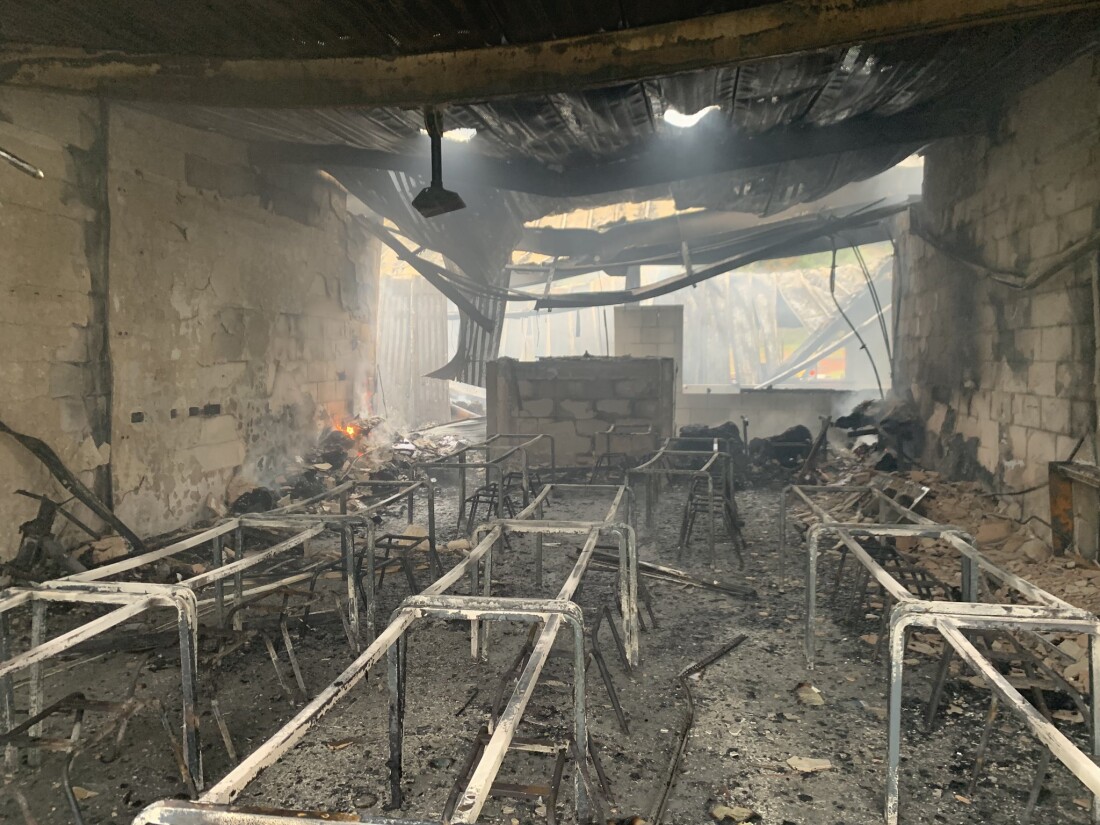
The outcome contrasts sharply with major school fires where sprinklers were not installed, such as the 2020 Derbyshire school fire that destroyed the building and disrupted education for two years while a replacement school was built.
The incident reinforces the growing evidence that sprinklers are one of the most effective fire protection measures for schools and colleges. Research commissioned by the National Fire Sprinkler Network found that more than 97% of school fires over the past 14 years occurred in buildings without sprinklers, while systems that activated successfully contained, controlled or extinguished fires in 98% of incidents.
Despite this evidence, sprinklers remain mandatory in new schools in Scotland and a condition of government funding in Wales, but are still not required in England or Northern Ireland.
The British Automatic Fire Sprinkler Association (BAFSA) says this latest incident demonstrates why the Government should retain the existing expectation for sprinklers in Building Bulletin 100 and move towards making automatic fire suppression mandatory in all new schools and colleges in England.
The Greater Manchester incident is another reminder that investing in sprinklers is not simply about protecting buildings - it is about safeguarding education, supporting community resilience and preventing avoidable disruption.
Picture shows the devastation caused by fire at Ravensdale Primary School in Derby in 2022