

Dorset: Sprinklers stop bin fire from spreading
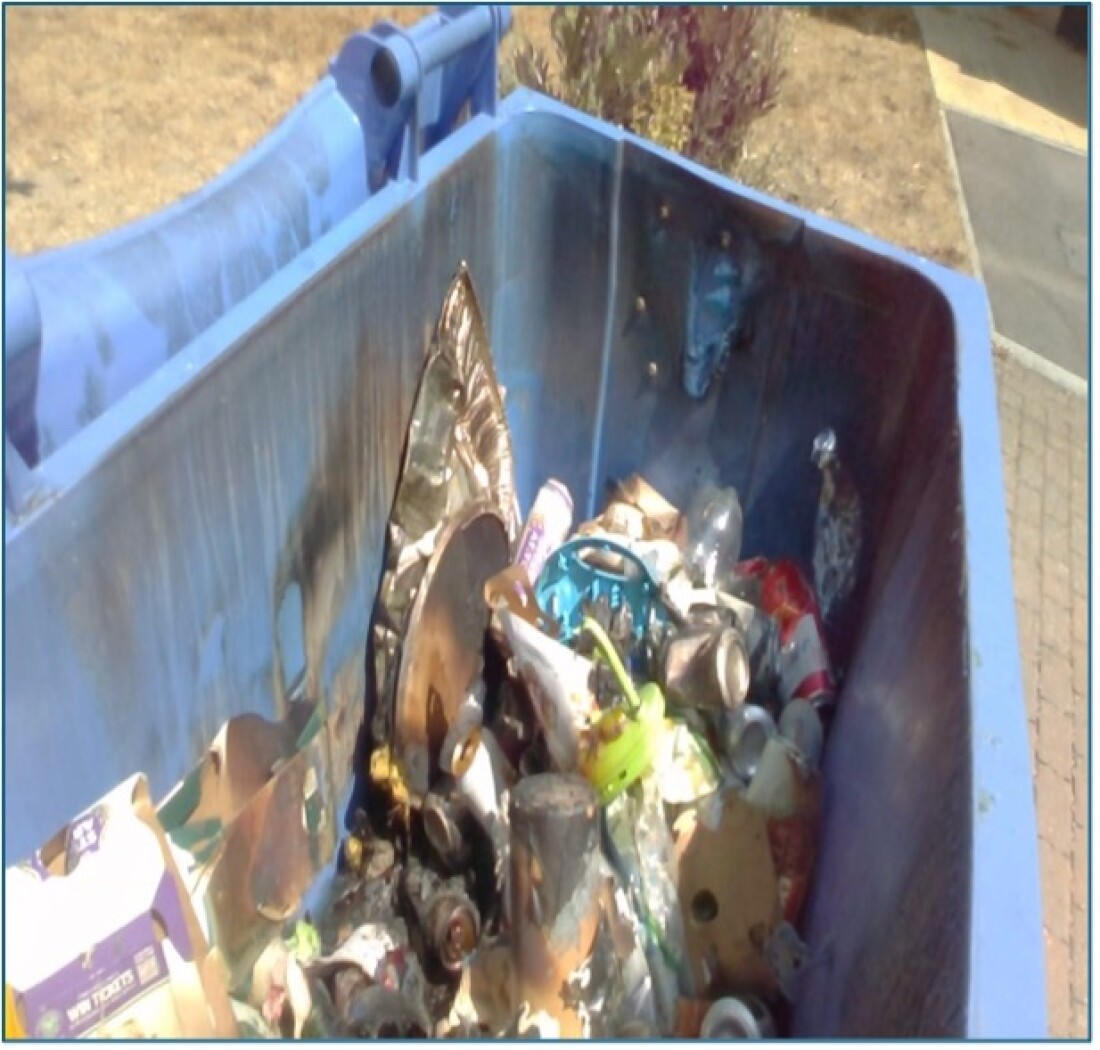


On the 16 July 2026, a fire in a bin store at a low-rise residential development has demonstrated the value of sprinkler protection restricting fire growth and reducing risk to residents, firefighters and property.
Dorset & Wiltshire Fire and Rescue Service (DWFRS) attended a fire involving refuse in a plastic wheelie bin within a ground-floor bin store. One concealed sprinkler head activated, containing and controlling the fire before firefighters extinguished the fire using firefighting media.
The incident was confined to the bin store with only minimal smoke damage reported within the room of origin. Although bin store fires may appear minor, they should not be underestimated. In many traditional 1960s purpose built residential blocks of flats, bin stores contained refuse chutes which in the event of a fire in the bin store would allow the fire to spread vertically via the chutes to the upper floors.
In the event the service hatches provided for the refuse chutes were in the open position or not constructed of fire resisting construction on the upper floors they would allow the products of combustion to spread into the common ways, lobbies and stairwells compromising the means of escape.
This incident provides further evidence that automatic water suppression systems
-
Form an important part of a wider fire safety strategy, particularly in areas vulnerable to accidental or malicious ignition.
-
Demonstrates how a correctly designed and maintained sprinkler system can control a fire at source, by preventing fire growth and limiting smoke spread.
-
Protect residents, support safer firefighting operations and reduce the likelihood of a larger, more disruptive incident.
The incident
One concealed sprinkler head had activated within the ground floor bin store, containing and controlling the fire. The fire did not spread beyond the bin store, helping to protect the common areas and maintain safer conditions for firefighters, who proceeded to extinguish the fire using firefighting media.
Business recovery planning
The British Automatic Fire Sprinkler Association (BAFSA) encourages building managers and duty holders to ensure that emergency procedures include a clear business recovery plan for sprinkler activations. Such plans help the fire service manage water efficiently after a sprinkler has operated, whether during a fire or in the rare event of accidental discharge.
Onsite information should be comprehensive, accessible and easy for attending firefighters to use, enabling the sprinkler system to be isolated once the incident commander identifies the fire is all out.
For this incident, it is reported that inadequate onsite information about the location of the sprinkler isolation valves was available to firefighters.
Wider fire safety benefits
The Poole incident demonstrates that the key functional objectives of a life-safety sprinkler system were achieved:
-
Minor impact for the residents.
-
Enabled firefighters to operate with reduced risk while supporting evacuation and, where necessary, rescue.
-
Prevented the fire from developing into a larger conflagration.
-
Helped avoid a major, protracted incident that could have placed significant strain on Fire and Rescue Service resources and affected business-as-usual resilience.
Sources and further reading:
-
Further information about the APPG and its work is available at firesectorconfederation.co.uk/appg-for-fire-safety-and-rescue.