

Fire Data cannot support water mist vs sprinkler claims
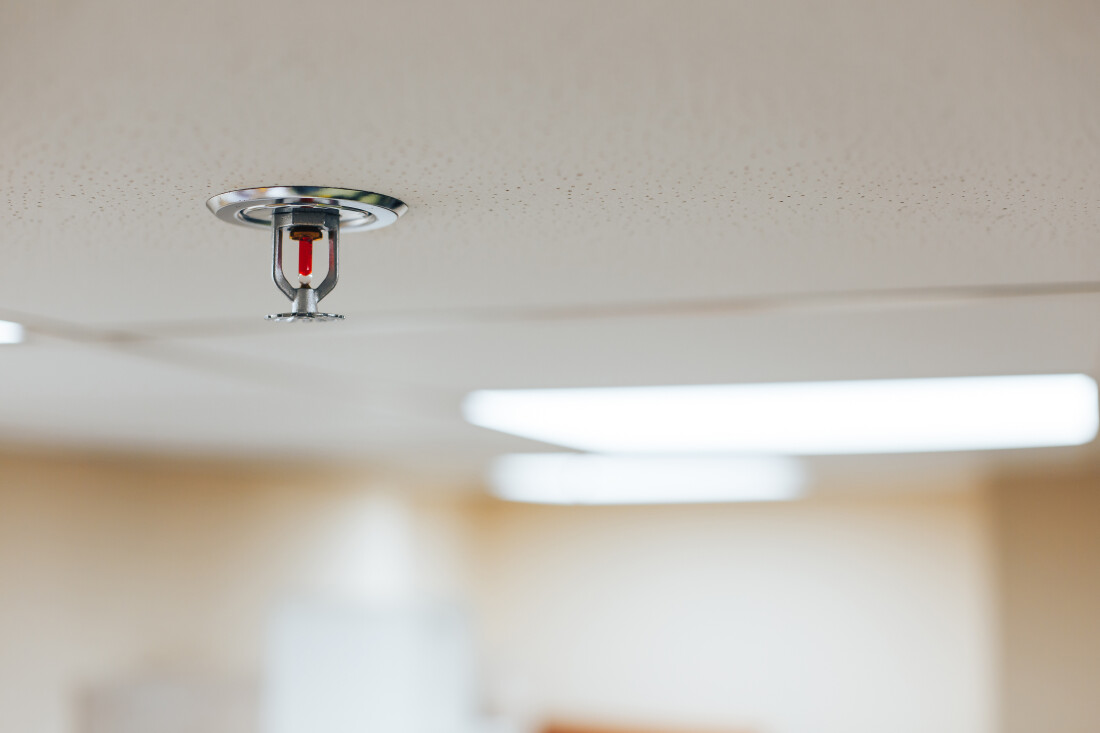


An independent study has concluded that official fire incident data cannot be used to claim that water mist systems outperform traditional sprinklers, warning that comparisons between the two are “methodologically invalid.”
The report, published by Optimal Economics Ltd, and commissioned by BAFSA, analysed six years of primary fire incident data from the Ministry of Housing, Communities and Local Government (MHCLG), covering incidents in England between 2018/19 and 2023/24 where either a sprinkler or water mist system was present.
Researchers examined 2,924 incidents in total, including 2,438 involving sprinklers (83%) and 486 involving water mist systems. The study found significant differences in how and where the two technologies are used.
Sprinkler incidents were widely distributed across industrial premises, retail sites and high-rise residential buildings. Nearly half of non-residential sprinkler fires occurred in industrial settings such as factories, recycling centres and warehouses. In residential settings, most sprinkler activations were in purpose-built blocks of flats, particularly those over 10 storeys.
In contrast, water mist incidents were heavily concentrated in custodial environments. Prisons and young offenders’ institutions accounted for 74% of non-residential water mist fires and 59% of all water mist incidents recorded. A rise in prison fires between 2022/23 and 2023/24 significantly contributed to the recent increase in water mist cases.
Residential water mist systems were more commonly found in single-occupancy bungalows and sheltered housing, often installed as portable “personal protection” units for vulnerable residents in certain local authority areas.
Fixed vs portable systems
A central finding of the report is that many water mist systems recorded in the data are not directly comparable to fixed sprinkler systems.
Sprinklers are typically permanent, building-wide systems designed to operate automatically when heat is detected. Water mist systems, however, encompass a broad range of technologies from fixed, automatic installations to portable or manually deployed hose-reel and lance systems, particularly in custodial settings.
The dataset does not distinguish between these system types. As a result, researchers concluded that it is impossible to isolate comparable populations of building-wide automatic systems for meaningful analysis.
Even in settings where water mist systems might be comparable to sprinklers, incident numbers are low. Excluding custodial fires, fewer than 100 non-residential incidents involved water mist systems over the six-year period. The report warns that such small samples increase the risk of distorted statistical results, as individual incidents carry disproportionate weight.
The study assessed operational reliability (whether systems activate when required) and performance reliability (whether they control or extinguish a fire once activated). However, due to differences in system type, building context and limited sample sizes, the authors concluded that a robust, like-for-like comparison cannot be made using the current MHCLG dataset.
The report states that any claims that government fire incident data demonstrate superior effectiveness of water mist systems over sprinklers are unsupported by the evidence and arise from comparisons between fundamentally different forms of fire suppression.
It recommends that future data collection clearly distinguish between fixed building-wide systems, local equipment protection systems, personal protection units and manually deployed custodial devices.
Without clearer classification, the authors warn, fire safety policy and procurement decisions risk being shaped by misleading interpretations of the data.
A full copy of the report may be downloaded here