

Shopping centre toilet cubicle incident
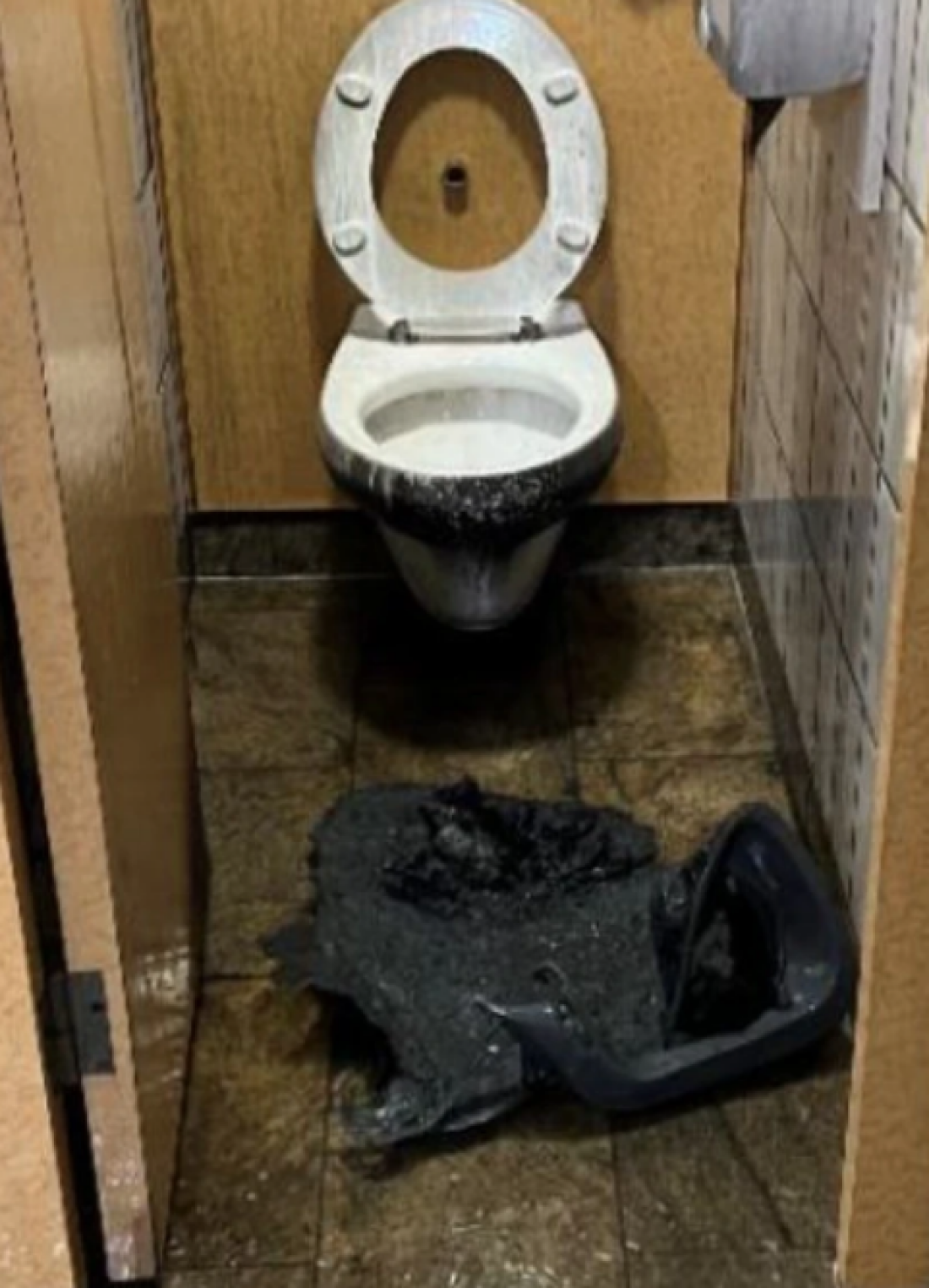


The importance of effective fire protection was demonstrated on 24 November 2026, following a fire in a sprinkler-protected shopping centre in Glasgow, Scotland.
Reported by BAFSA member, Vipond, the incident involved a fire within a public toilet cubicle. A sprinkler head positioned directly above the cubicle activated, successfully containing and extinguishing a fire involving a toilet roll and its holder.
As a result of the sprinkler activation, fire damage was restricted to the item first ignited. No injuries were reported, and the fire did not develop into a more significant incident. Investigations into the cause of the fire are ongoing.
Importantly, the sprinkler system was reinstated and returned to service within three and a half hours of the reported incident, minimising the period during which the system was unavailable.
This is not an isolated example of sprinklers controlling fires in public toilet facilities. In March 2023, South Yorkshire Fire & Rescue Service reported a similar incident at a shopping centre in Sheffield. A fire had developed within a public toilet cubicle, prompting the activation of a single sprinkler head, which successfully extinguished the fire.
The sprinkler system contained the incident within the room of origin, with only minor fire and smoke damage reported. The effectiveness of the system meant that no further firefighting intervention was required from South Yorkshire Fire & Rescue Service.
These incidents provide further evidence of the important role automatic fire sprinklers play as part of a comprehensive package of fire safety measures. By controlling or extinguishing fires at an early stage, sprinkler systems can:
-
Prevent significant financial losses: Reduce damage to buildings, stock, equipment and other business assets, helping to protect UK businesses from potentially substantial financial losses.
-
Protect life: Provide an additional level of protection by controlling fire development and reducing the potential for a fire to spread.
-
Improve business resilience: Control or extinguish fires before the arrival of the Fire and Rescue Service, reducing the scale and consequences of an incident.
-
Support business continuity: Minimise fire, smoke and water damage, helping businesses recover more quickly and return to normal operations.
-
Reduce the impact on emergency services: Limit fire development and, in some circumstances, reduce the need for extensive firefighting intervention.
The Glasgow and Sheffield incidents demonstrate how a single sprinkler activation can make a significant difference, preventing a relatively small fire from developing into a much more serious event.
For shopping centres, where large numbers of people, businesses and facilities operate within a shared environment, this protection is particularly valuable.
These are practical examples of how automatic fire sprinklers do more than extinguish fires: they protect people, safeguard businesses and help maintain the resilience of the places on which communities depend.
Effective fire safety management is essential to ensure that active fire protection measures, including automatic sprinkler systems, remain fully operational and capable of performing as intended in the event of a fire.
Fire damage following the Sheffield shopping centre toilet cubicle incident