

Sprinkler system extinguishes candle fire at Weymouth HMO
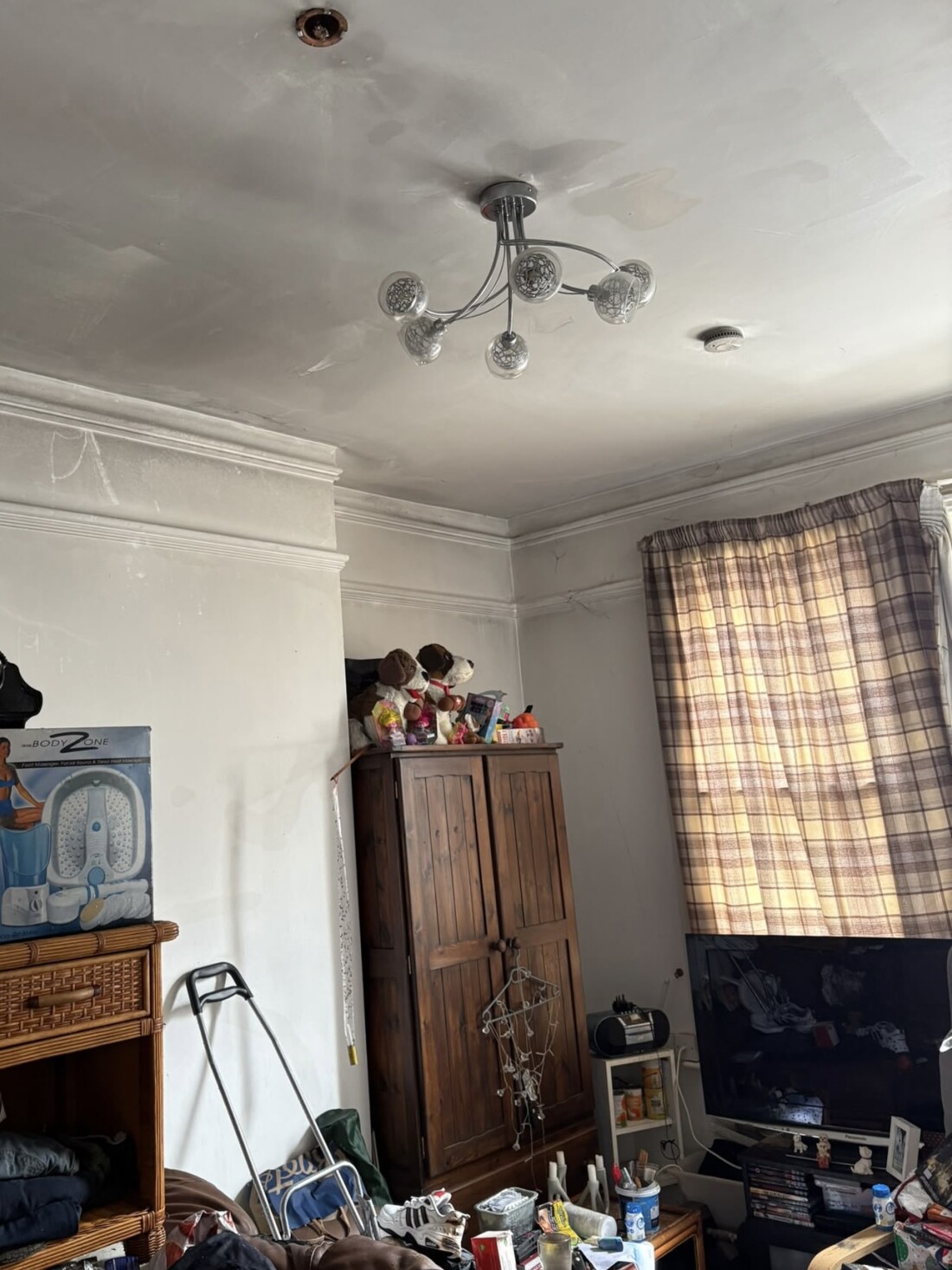


An automatic sprinkler system has been credited with preventing a potentially serious fire at a house of multiple occupation (HMO) in Weymouth after a candle fell over and ignited nearby combustible materials.
Dorset & Wiltshire Fire and Rescue Service (DWFRS) was called to the seven-room, three-storey property at approximately 6.30am on Friday 21 August 2026.
On arrival, firefighters discovered that the fire, which had started in a ground-floor studio flat, had already been extinguished following the activation of a single concealed sprinkler head. As a result, no further firefighting intervention was required.
Seven residents had safely evacuated the building, and no injuries were reported. The sprinkler system activated automatically, controlling the fire's development, reducing heat and smoke, and ultimately extinguishing the flames. This helped prevent the fire from spreading beyond the room of origin and provided residents with additional time to reach safety.
Images of the property following the incident show light smoke staining to the ceiling and walls, but no significant fire damage. They also highlight clutter and poor housekeeping within the affected living space, alongside the activated concealed sprinkler head, which discharged after its cover plate released.
Sprinkler system reinstated
Following confirmation that the fire was fully extinguished, firefighters isolated the property's mains water supply. Specialist sprinkler contractors attended and reinstated the system by 1pm. Residents were permitted to return to their flats within an hour of the incident.
The incident highlights the importance of having effective arrangements in place to restore fire protection systems promptly following an activation.
Under the Regulatory Reform (Fire Safety) Order 2005, the responsible person must ensure that appropriate arrangements are in place for the effective planning, organisation, control, monitoring and review of preventive and protective fire safety measures.
System specification
The sprinkler installation was designed and installed in accordance with BS 9251, Fire sprinkler systems for domestic and residential occupancies – Code of practice.
The system featured:
- Category 2 sprinkler protection.
- A town mains water supply.
- Concealed sprinkler heads.
- A link to the property's fire alarm system.
During the incident, the system provided several important life-safety benefits. It raised the alarm through the linked fire alarm system, contained the fire to the room where it started, controlled and extinguished the flames, and gave residents additional time to evacuate safely.
Crucially, it prevented the fire from developing into a potentially much more serious incident.
Houses of multiple occupation
A house of multiple occupation is generally defined as a property occupied by three or more people who are not members of the same household and who share facilities such as a kitchen, bathroom or toilet.
HMOs can present additional fire safety challenges because they often accommodate several unrelated residents, potentially increasing the number of people exposed to a fire and complicating evacuation.
Figures obtained through a Freedom of Information request to the London Fire Brigade (LFB), reference 7653.1, recorded 1,817 primary fires in HMOs between 2012 and 2023. However, a life-safety sprinkler system was recorded as being installed in only seven cases.
These figures highlight concerns about the limited provision of automatic water suppression systems (AWSS) in this type of accommodation.
The British Automatic Fire Sprinkler Association (BAFSA) continues to campaign for wider sprinkler protection in residential buildings, particularly those occupied by vulnerable people.
While BAFSA has welcomed the Government's requirement for sprinklers in all newly built care homes from March 2025, it remains concerned that similar requirements have not been extended to specialised housing and HMOs.
The risks were also illustrated by a separate fire at an HMO in Marylebone, London, on 5 October 2026. Four fire engines and 25 firefighters attended the incident, in which most of a second-floor room was damaged. Ten people had left the building before firefighters arrived. No injuries were reported, and the fire is believed to have been accidental, caused by the unsafe disposal of smoking materials.
BAFSA says:
"The Weymouth incident provides another practical example of how automatic sprinkler systems can make a significant difference to the outcome of a residential fire.
Without sprinkler protection, the consequences could have been considerably more serious, with the potential for greater fire development, increased smoke spread and a more challenging evacuation for residents.
Instead, the system controlled the fire at an early stage, prevented significant property damage and allowed all seven residents to escape safely.
For BAFSA, incidents such as this provide valuable operational evidence to support its ongoing work with policymakers and parliamentarians.
The association believes sprinkler protection should be considered in homes accommodating some of the most vulnerable members of society, regardless of building height.
The Weymouth fire demonstrates that a single sprinkler head can make the difference between a minor incident and a potentially devastating fire, reinforcing the case for wider installation of automatic water suppression systems in residential accommodation."
Image credit: Domestic Sprinklers