

Sprinklers Extinguish Greater London specialised housing scheme fire
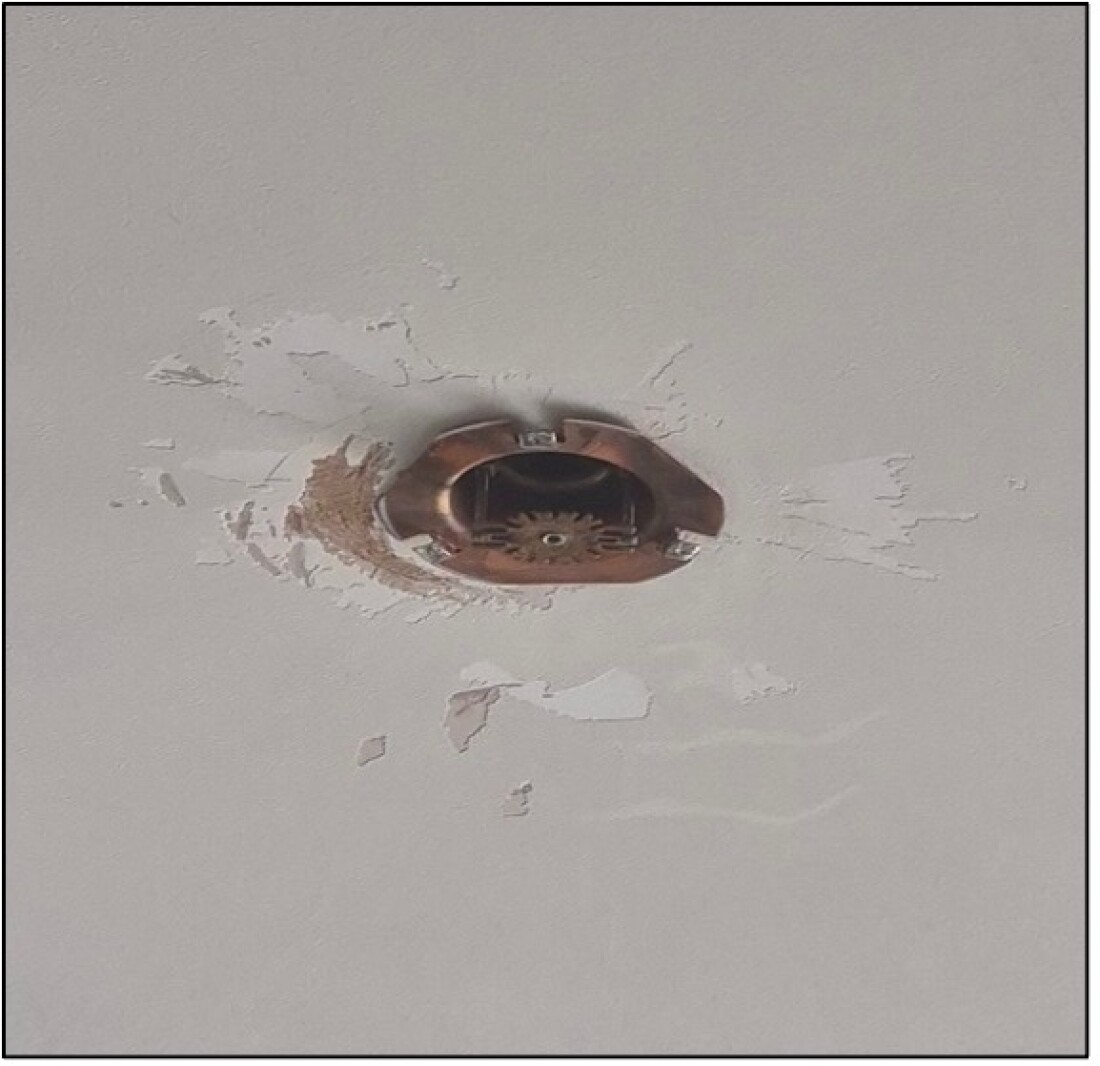


The benefit of installing Automatic Water Suppression Systems (AWSS) protecting the most vulnerable residents of our communities was clearly demonstrated following a reported dwelling fire involving an electrical item involving a London affordable later living scheme a form of specialised housing.
The fire was contained, controlled and extinguished by the operation of the building’s AWSS with no injuries reported. Demonstrating the effectiveness of AWSS in controlling fires at an early stage, significantly reducing the risk to life, limiting fire spread, and minimising property damage and preventing the fire from spreading further and allowing a swift, safe resolution.
The incident
On 30 July 2026, LFB were called to a fire at an affordable later living scheme complex, comprising of 75 self-contained flats, communal areas. The alarm was raised by the remote alarm receiving centre connected to the sprinkler system providing 24/7 monitoring
The fire within a bedroom involving an electrical item had been extinguished by the activation of the building’s automatic sprinkler system containing the fire to the room of origin. (sprinkler head RD208 72-degree head)
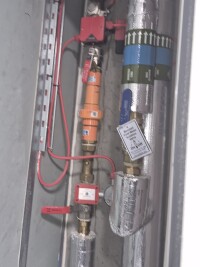
Fire damage was sustained to the ceilings, walls and carpets. All residents were accounted for with no injuries reported. Following confirmation, the fire was all out the sprinkler isolation valve was isolated on the floor of origin with the riser cupboard (pictured below).
This incident demonstrates that sprinklers can control fires before the fire can escalate in this case involving an electrical item limiting fire damage, reducing the risk to people, firefighters, property and the environment.
Specialised housing schemes have seen demographic shifts, with people living longer lives. This rise in life expectancy means more residents face mobility issues, reduced sensory abilities, and cognitive challenges, which all heighten both the chances of fire and the risk to individuals during such emergencies.
This concern was reiterated in a coroners report aimed at preventing future deaths, which was sent to the then Rt Hon Michael Gove, Secretary of State for Levelling Up, Housing and Communities in March 2023. The report followed the investigation conducted by the coroner into the death of Mr Brian George Harefield aged 85, who was overcome by smoke, found unconscious in his flat, and sadly lost his life.
The study, analysis of national fire data, an in-depth review of fire-related fatalities and severe casualties in England, 2010/11 to 2018/19 referenced that while there is a lack of recent research on fatal fires, the available studies consistently identified age, the presence of an impairment such as physical disability, smoking, and alcohol use as key factors on the outcome of the fire, as they will be less able to respond to a fire.
The same coroner’s report raised concerns regarding the lack of mandatory sprinkler systems and other fire-safety measures in extra care and retirement housing particularly for older people with reduced mobility. It acknowledges the Government consultation undertaken for sprinklers in care homes, but the scope of this consultation does not cover to specific risks to those in extra care facilities.
In the response from the Secretary of State for Levelling up, Housing and Communities, it was acknowledged more evidence is needed on the benefits of sprinklers and other fire protection measures in specialised housing such as extra care facilities.
A research programme was launched to access whether sprinklers are more effective than alternatives such as improved fire detection alarms or compartmentation, stage 1 of this research supported requiring sprinklers in all new care homes stage 2 will focus on specialised housing, including extra care.
The findings for stage 2 of this research was published in December 2025. The study was considered conclusive, reflecting a wide range of building types and the project's complexity and scope. The report also made several recommendations for further research, including a review of sprinkler system provisions in all types and heights of buildings, especially within the specialised housing and care home sector.
All of this reinforces why the BAFSA, The National Fire Sprinkler Network and the National Fire Chiefs Council has long advocated for the use of sprinklers in specialised housing and why, Government should follow the lead of Scotland and Wales expanding sprinkler requirements to include specialised housing.
Beechmere retirement village fire
In comparison the fire that burnt down the Beechmere extra-care retirement village in Crewe in August 2019 housing 132 apartments is a reminder of the danger of fires for this sector of the community. No lives were lost but over 150 residents lost their homes. Sprinklers were not fitted as it was not a statutory requirement under the building regulations.
Sources/further reading
-
Fire Industry Association, Care home fire sparks call for sprinkler systems
-
News on the block, six years after Beechmere-The fire safety gap remains, BSA Tom Roche BSA
My thanks to DPJ Sprinklers Ltd for reporting this incident
.